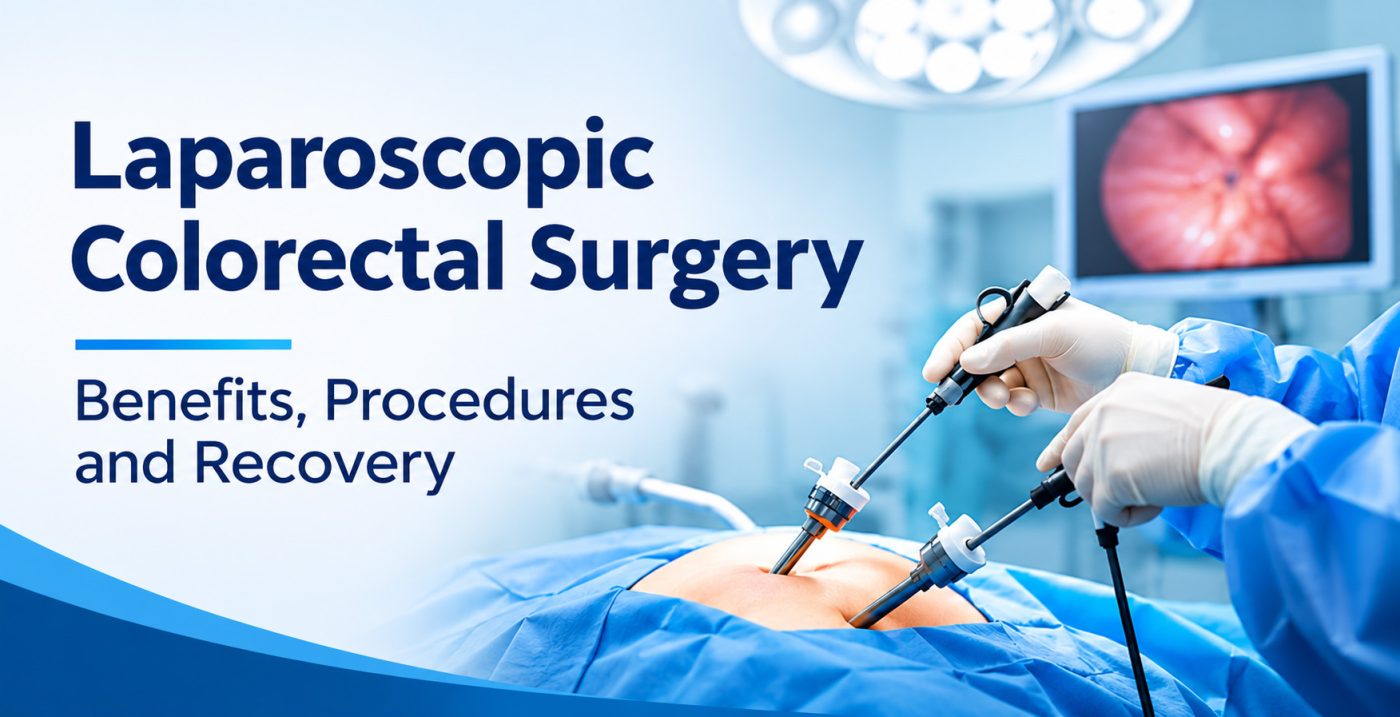
Advances in surgical techniques have transformed the treatment of many digestive and colorectal conditions. Laparoscopic surgery, also known as keyhole surgery, is a minimally invasive surgical approach that allows surgeons to perform certain procedures through small incisions using specialized instruments and a camera.
This technique is increasingly used for selected conditions affecting the colon and rectum, depending on the patient’s medical needs and suitability.
What Is Laparoscopic Colorectal Surgery?
Unlike traditional open surgery, which generally requires a larger incision, laparoscopic surgery involves several small incisions through which a camera and specialised surgical instruments are introduced.
The camera provides a magnified view of the surgical area, allowing the surgeon to perform the required procedure with precision.
Laparoscopic techniques may be used in the management of selected conditions, including:
- Certain colorectal cancers.
- Diverticular disease.
- Selected inflammatory bowel conditions.
- Colonic polyps requiring surgical removal.
- Other conditions affecting the colon and rectum.
Benefits of Minimally Invasive Surgery
For appropriately selected patients, laparoscopic surgery may offer several advantages:
Smaller Incisions: Smaller surgical openings compared with conventional open surgery.
Reduced Postoperative Pain: Many patients experience less pain following minimally invasive procedures.
Faster Recovery: Patients may return to normal activities sooner, depending on the procedure and individual recovery.
Shorter Hospital Stay: Hospitalisation may be reduced in suitable cases.
Smaller Surgical Scars: Smaller incisions generally result in less visible scarring.
It is important to understand that these benefits vary depending on the patient’s condition, the complexity of the procedure and individual health factors. Not every patient is suitable for laparoscopic surgery.
What to Expect During Recovery
Recovery following colorectal surgery depends on the type of operation and the patient’s overall health. Patients may require dietary adjustments, pain management, wound care and follow-up appointments.
Following the surgeon’s instructions, maintaining appropriate nutrition and gradually returning to physical activity can support recovery.
Choosing an Experienced Colorectal Surgeon
Colorectal surgery requires specialised knowledge, surgical skills and careful patient assessment. Selecting a surgeon with relevant training and experience is an important part of the treatment journey.
Meet Dr. Farhan Shahzad
Dr. Farhan Shahzad is a Consultant General and Colorectal Surgeon at Shifa International Hospital, Islamabad. He completed specialist colorectal surgery fellowship training at St James’s University Hospital, Leeds, UK, and has worked at renowned hospitals in Pakistan, Ireland and the United Kingdom.
His expertise includes open and laparoscopic general and colorectal surgery, with an emphasis on individualised patient assessment and treatment.
Book a Consultation: Contact Dr. Farhan Shahzad’s team for professional advice and an assessment of your surgical needs.
